

Exploring the Craft: Stainless Steel Casting Techniques
The Art and Science of Stainless Steel Casting
Stainless steel casting is a precise and intricate process that has been revolutionizing manufacturing industries for decades. This article delves into the world of stainless steel casting, exploring its various techniques, benefits, and applications.
The Basics of Stainless Steel Casting
Stainless steel casting involves the formation of complex shapes by pouring molten stainless steel into a mold. This process allows for the creation of intricate and durable components that are crucial in numerous industries, including aerospace, automotive, and medical.
Types of Stainless Steel Casting Techniques
There are several techniques used in stainless steel casting, such as investment casting, sand casting, and lost-wax casting. Each method offers unique advantages and is chosen based on the requirements of the project.
Investment Casting
Investment casting, also known as lost-wax casting, is a method that provides exceptional accuracy and surface finish. This technique is ideal for producing detailed and high-quality stainless steel parts.
Sand Casting
Sand casting is a traditional method of stainless steel casting that is cost-effective and suitable for large-scale production. It involves creating a mold by compacting sand around a pattern and then pouring molten metal into the mold.
Lost-Wax Casting
Lost-wax casting, as the name suggests, involves creating a wax pattern that is used to form the mold. Once the wax is melted away, molten stainless steel is poured into the cavity, resulting in precise and intricate components.
Advantages of Stainless Steel Casting
Stainless steel casting offers numerous benefits, including high strength, corrosion resistance, and versatility. Components produced through this process are durable, heat-resistant, and can be customized to meet specific requirements.
Applications of Stainless Steel Casting
Stainless steel casting finds applications in various industries, such as the production of medical implants, aerospace components, automotive parts, and marine equipment. Its versatility and durability make it a preferred choice for critical applications.
Conclusion
The art and science of stainless steel casting continue to drive innovation and excellence in manufacturing. Its precision, versatility, and durability make it a cornerstone of modern engineering, enabling the creation of complex components that power industries worldwide.
-

Exploring the Art of Precision Casting
2025-03-20 -

Premium Stainless Steel Hinges for Durable Glass Shower Enclosures
2025-03-14 -

Stainless Steel Tactile Products: Durable Solutions for Barrier-Free Environments
2025-03-12 -

Celebrating Women’s Day: Special Care for Our Female Employees
2025-03-08 -

From Design to Finished Product: The Complete Guide to Stainless Steel Precision Casting
2025-02-26 -

Guides To Buy Stainless Steel Sanitary Ware
2024-01-16 -

How Do We Customize SS 304 Faucets for You?
2023-10-17 -

One of the Casting Steps, Pouring
2023-07-24 -

Training for Business Expansion
2022-07-02 -

Internal Business Sharing Meeting
2022-06-20
-
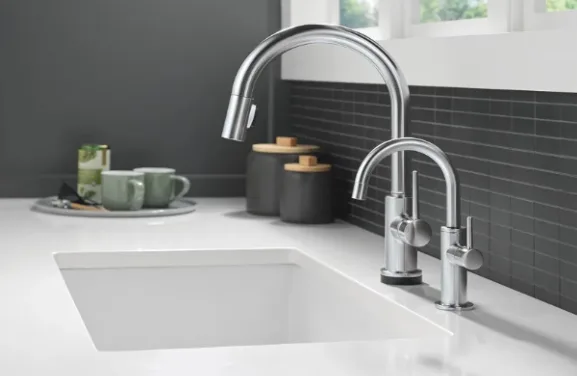
Premium Stainless Steel Handrail Fittings from a Trusted SS Casting Manufacturer
2025-10-29 -
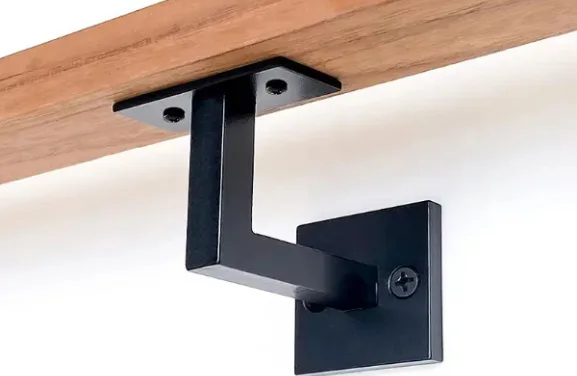
Premium Stainless Steel Balustrade Accessories and Boat Hardware for Lasting Performance
2025-10-29 -
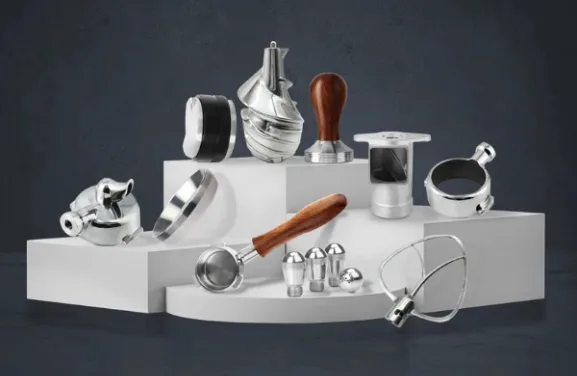
High-Performance Stainless Steel Hardware for Marine and Architectural Applications
2025-10-29 -
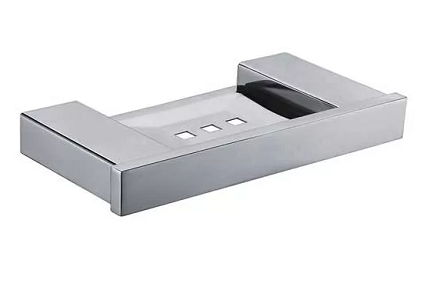
High-Quality Stainless Marine Hardware and Balustrade Accessories
2025-10-23 -

High-Quality Stainless Steel Marine Hardware and Casting Solutions
2025-10-23 -
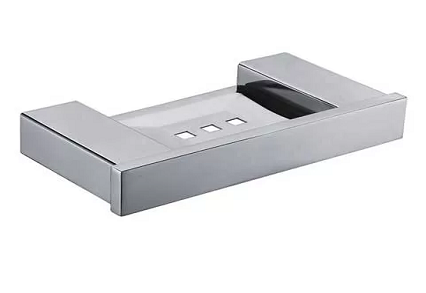
Premium Stainless Steel Casting Hardware for Architecture and Home Design
2025-10-09 -
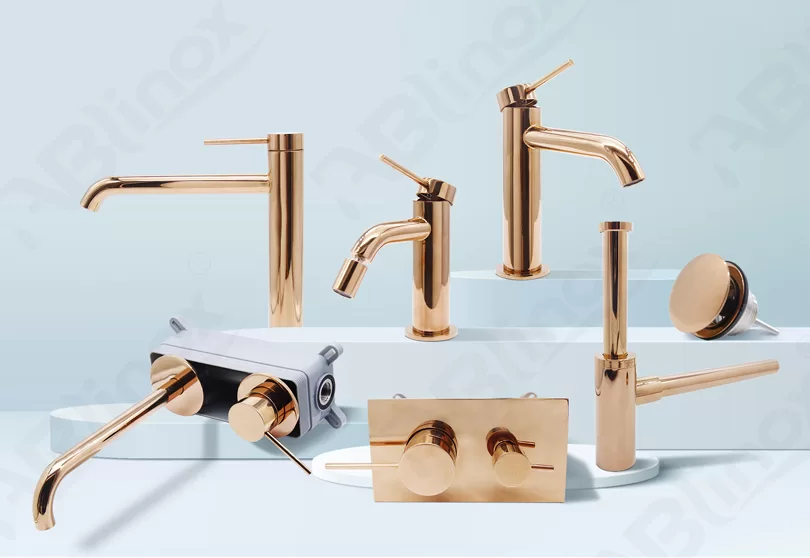
High-Quality Stainless Steel Railing and Marine Accessories for Modern Applications
2025-10-09 -
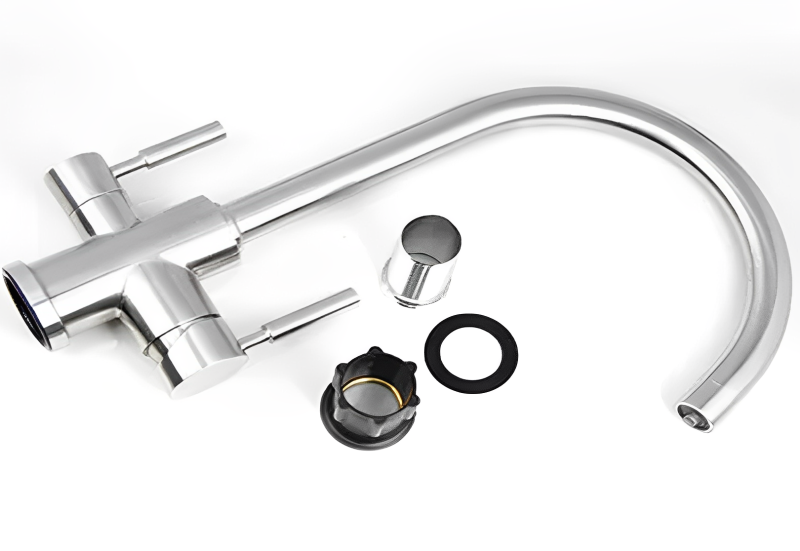
Precision Stainless Steel Casting and Marine Hardware Manufacturer
2025-10-09 -
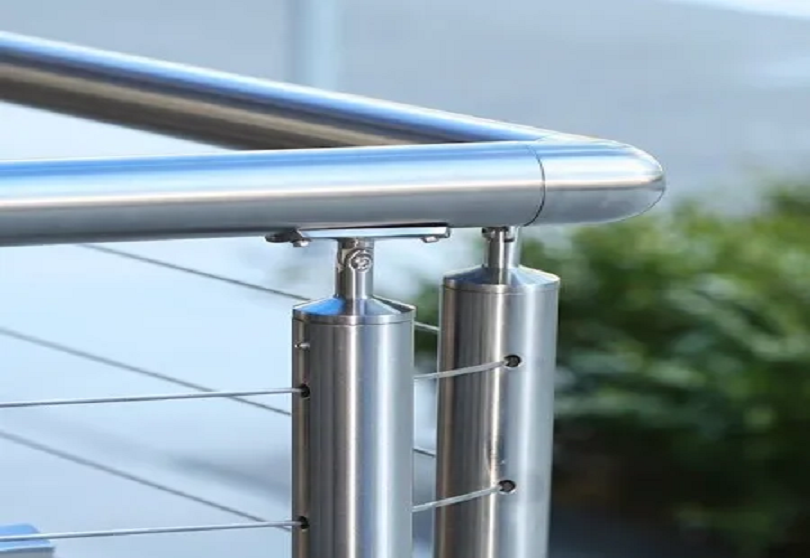
Precision Stainless Steel Casting and Hardware Solutions for Modern Living
2025-10-09 -
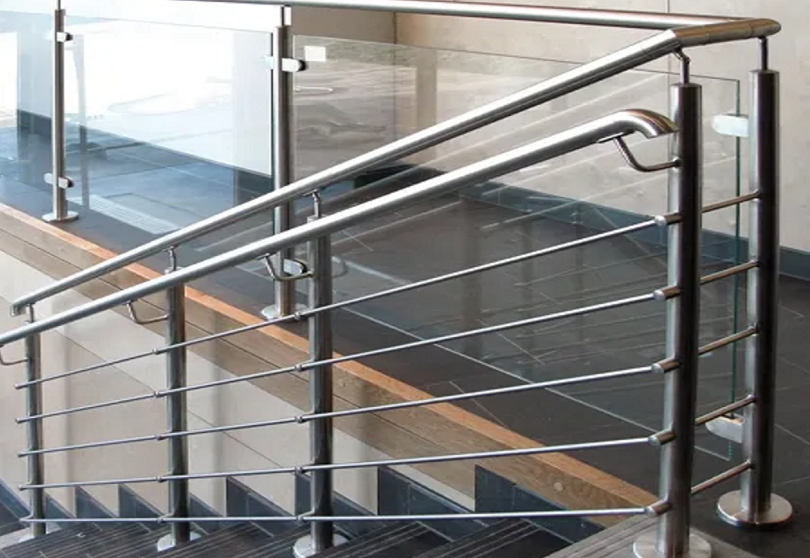
Premium Stainless Steel Railing and Marine Accessories for Lasting Performance
2025-10-09
