

Precision Machining Components PriceList
The Art of Precision: A Dive into Machining Components Pricing
When it comes to precision machining components, understanding the various factors that influence pricing is essential for businesses seeking quality parts at competitive rates. From material selection to intricacy of design, each aspect plays a crucial role in determining the final quote.
Materials such as aluminum, brass, or stainless steel can significantly impact pricing due to their availability and machining difficulty. Choosing the right material for your components is the first step in cost-effective manufacturing.
Design complexity is another key factor. Intricate components with tight tolerances often require specialized tools and longer machining times, ultimately affecting the overall cost.
Moreover, batch sizes play a vital role in pricing. Larger production runs typically result in lower per-piece costs due to economies of scale, making it essential for businesses to plan their orders strategically.
Aside from these primary factors, additional services like surface finishing or heat treatment can also influence pricing. Each extra step adds to the manufacturing process, reflecting in the final quote.
By carefully considering these factors and working closely with precision machining experts, businesses can navigate pricing intricacies effectively, ensuring high-quality components that meet both their technical requirements and budget constraints.
Optimizing Costs through Material Selection
Choosing the right material for your precision components can significantly impact pricing. While aluminum is a popular choice for its lightweight and corrosion resistance properties, brass may be preferred for its aesthetic appeal and machinability.
Stainless steel, known for its durability, is often selected for components requiring enhanced strength and longevity. However, its higher cost compared to other materials may influence your overall budget.
For cost-effective solutions, consider material substitutions that meet your project requirements without compromising quality. Advanced plastics or composites offer lightweight alternatives for certain applications, reducing machining costs while maintaining structural integrity.
The Balancing Act: Design Complexity vs. Cost
Design complexity plays a pivotal role in machining components pricing. Components with intricate geometries, tight tolerances, or fine details require specialized tools and expert craftsmanship, impacting the overall cost.
To optimize costs without sacrificing quality, simplify designs where possible. Reducing the number of features, eliminating unnecessary details, and optimizing part geometries can streamline the machining process, resulting in cost savings for your project.
Collaborating with experienced design engineers and machinists early in the product development phase can help identify design modifications that enhance manufacturability while keeping costs in check.
Efficiency through Batch Production
Batch sizes play a crucial role in determining machining component pricing. Small production runs often incur higher per-piece costs due to setup and tooling expenses, while larger batches offer economies of scale, reducing the cost per unit.
Strategically planning your production quantities can help optimize costs and maximize efficiency. By forecasting demand, scheduling regular production runs, and leveraging just-in-time manufacturing practices, businesses can minimize overhead costs and ensure timely delivery of precision components.
Going Beyond the Basics: Value-Added Services
Value-added services such as surface finishing, plating, or heat treatment can enhance the functionality and aesthetics of precision machining components but also affect pricing. These additional steps require specialized equipment and expertise, adding complexity to the manufacturing process.
When considering value-added services, weigh the benefits against the cost implications. Surface treatments like anodizing or powder coating can provide superior corrosion resistance and durability, increasing the longevity of your components.
Collaborating with reliable suppliers who offer a range of value-added services can streamline your manufacturing process, ensuring that your precision components meet the highest quality standards while staying within your budget.
By understanding the key factors influencing precision machining components pricing and adopting cost-effective strategies, businesses can unlock the full potential of precision manufacturing, delivering high-quality components that exceed expectations.
-

Exploring the Art of Precision Casting
2025-03-20 -

Premium Stainless Steel Hinges for Durable Glass Shower Enclosures
2025-03-14 -

Stainless Steel Tactile Products: Durable Solutions for Barrier-Free Environments
2025-03-12 -

Celebrating Women’s Day: Special Care for Our Female Employees
2025-03-08 -

From Design to Finished Product: The Complete Guide to Stainless Steel Precision Casting
2025-02-26 -

Guides To Buy Stainless Steel Sanitary Ware
2024-01-16 -

How Do We Customize SS 304 Faucets for You?
2023-10-17 -

One of the Casting Steps, Pouring
2023-07-24 -

Training for Business Expansion
2022-07-02 -

Internal Business Sharing Meeting
2022-06-20
-
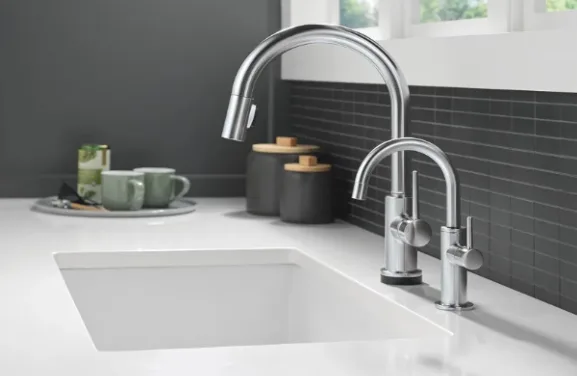
Premium Stainless Steel Handrail Fittings from a Trusted SS Casting Manufacturer
2025-10-29 -
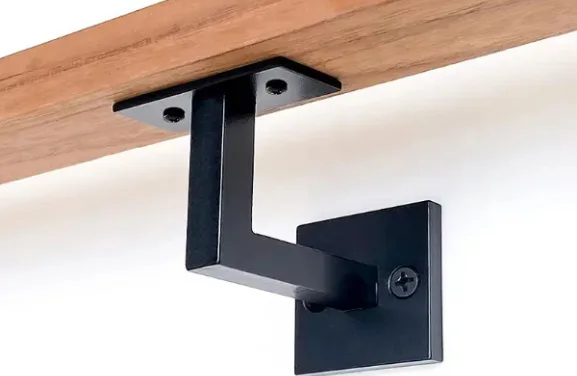
Premium Stainless Steel Balustrade Accessories and Boat Hardware for Lasting Performance
2025-10-29 -
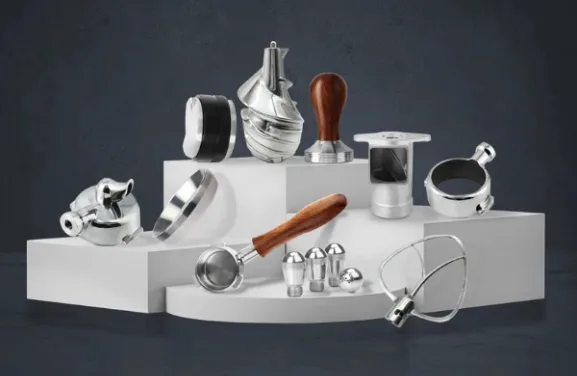
High-Performance Stainless Steel Hardware for Marine and Architectural Applications
2025-10-29 -
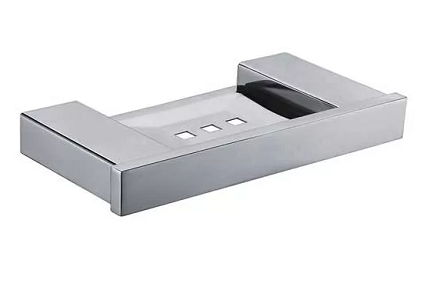
High-Quality Stainless Marine Hardware and Balustrade Accessories
2025-10-23 -

High-Quality Stainless Steel Marine Hardware and Casting Solutions
2025-10-23 -
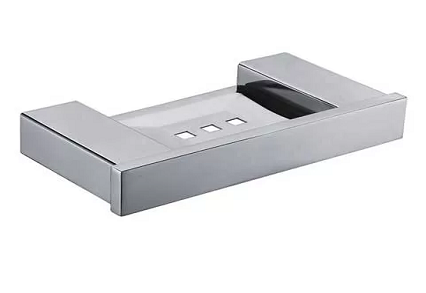
Premium Stainless Steel Casting Hardware for Architecture and Home Design
2025-10-09 -
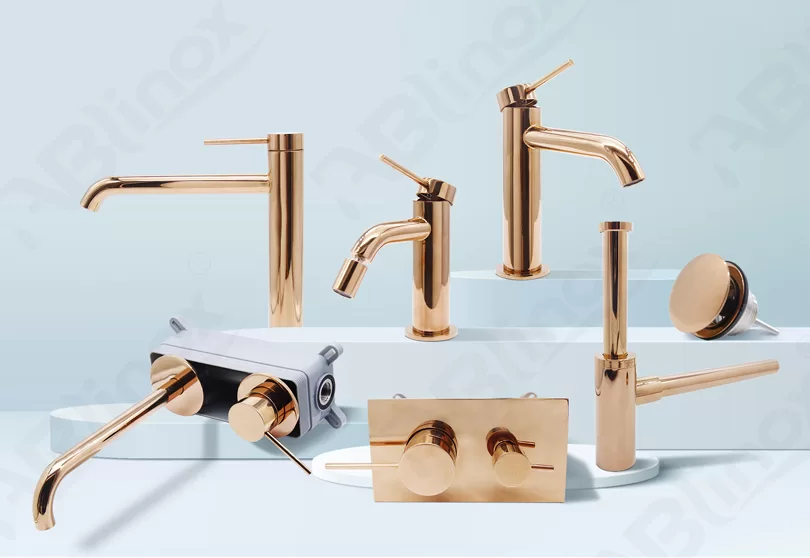
High-Quality Stainless Steel Railing and Marine Accessories for Modern Applications
2025-10-09 -
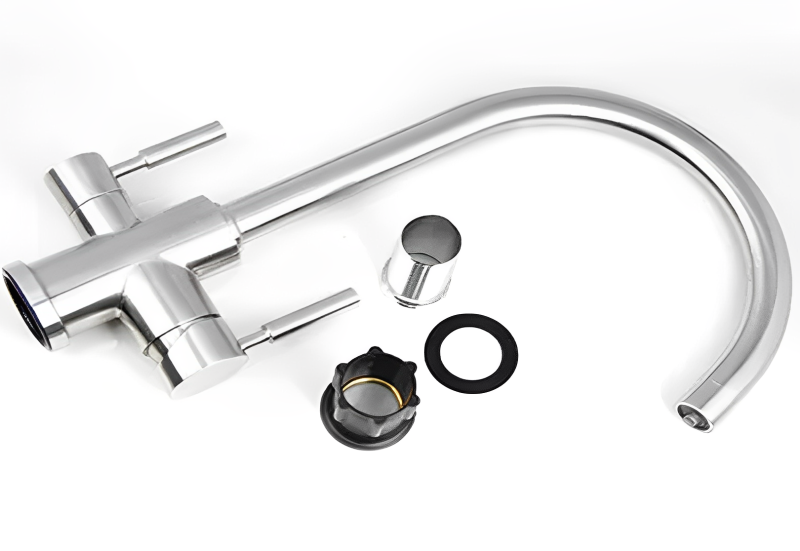
Precision Stainless Steel Casting and Marine Hardware Manufacturer
2025-10-09 -
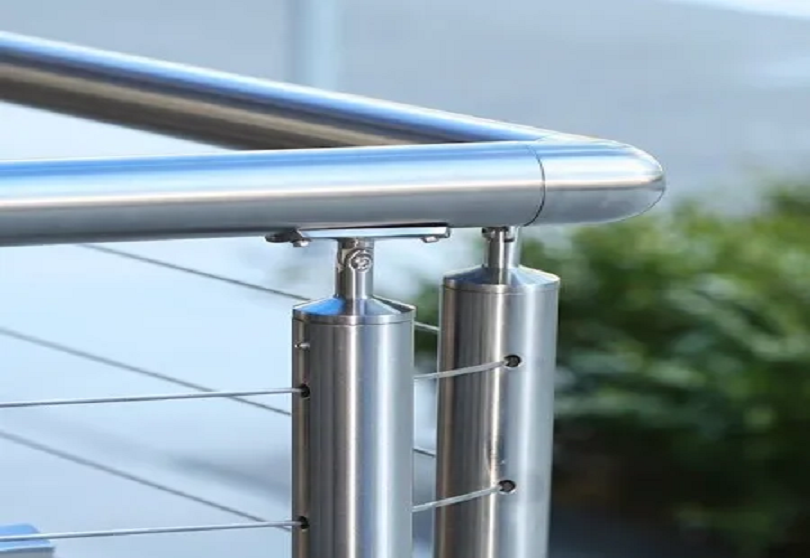
Precision Stainless Steel Casting and Hardware Solutions for Modern Living
2025-10-09 -
Premium Stainless Steel Railing and Marine Accessories for Lasting Performance
2025-10-09
