

Changing Faucets on a Stainless Steel Sink: Dealing with Deposits of Different Shapes
How to Change Faucets on a Stainless Steel Sink and Manage Various Deposits
Changing faucets on a stainless steel sink is not only a functional upgrade but also an aesthetic one. However, over time, you might encounter deposits of different shapes affecting the appearance and functionality of your sink. Here’s a comprehensive guide on how to handle this issue effectively.
Understanding the Problem
Stainless steel sinks are prone to accumulating deposits due to hard water minerals, soap scum, and other residue. These deposits can come in various forms, including limescale, rust spots, and even mold. Before replacing the faucet, it’s crucial to address these deposits.
Step-by-Step Guide
1. Cleaning: Begin by thoroughly cleaning the sink with a mixture of warm water and mild dish soap. Use a non-abrasive sponge to remove any visible deposits.
2. Removing Limescale: For limescale deposits, create a solution of equal parts water and vinegar. Apply it to the affected areas and let it sit for an hour before scrubbing with a nylon brush.
3. Tackling Rust Spots: Mix baking soda with water to form a paste and apply it to rust spots. Let it sit for 30 minutes, then scrub gently with a soft cloth.
Installing the New Faucet
Once you’ve cleaned the sink and removed the deposits, it’s time to install the new faucet. Follow these steps:
1. Turn off the water supply: Locate the shut-off valves under the sink and turn them off to prevent any leaks during the installation.
2. Disconnect the old faucet: Use a wrench to loosen and remove the nuts holding the old faucet in place. Disconnect the water supply lines as well.
3. Install the new faucet: Follow the manufacturer’s instructions for installing the new faucet. Ensure a tight seal and secure connections.
Dealing with Different Shapes of Deposits
Depending on the shape of the deposits, different cleaning methods may be required. For stubborn deposits, consider using specialized cleaners or consulting a professional for assistance.
Regular Maintenance
To prevent future deposits on your stainless steel sink, establish a routine cleaning schedule and use appropriate cleaning products. Regular maintenance will help keep your sink looking pristine and functioning optimally.
By following these steps and maintaining your sink regularly, you can change faucets on a stainless steel sink and manage deposits of different shapes effectively.
-

Exploring the Art of Precision Casting
2025-03-20 -

Premium Stainless Steel Hinges for Durable Glass Shower Enclosures
2025-03-14 -

Stainless Steel Tactile Products: Durable Solutions for Barrier-Free Environments
2025-03-12 -

Celebrating Women’s Day: Special Care for Our Female Employees
2025-03-08 -

From Design to Finished Product: The Complete Guide to Stainless Steel Precision Casting
2025-02-26 -

Guides To Buy Stainless Steel Sanitary Ware
2024-01-16 -

How Do We Customize SS 304 Faucets for You?
2023-10-17 -

One of the Casting Steps, Pouring
2023-07-24 -

Training for Business Expansion
2022-07-02 -

Internal Business Sharing Meeting
2022-06-20
-
Premium Stainless Steel Handrail Fittings from a Trusted SS Casting Manufacturer
2025-10-29 -
Premium Stainless Steel Balustrade Accessories and Boat Hardware for Lasting Performance
2025-10-29 -

High-Performance Stainless Steel Hardware for Marine and Architectural Applications
2025-10-29 -
High-Quality Stainless Marine Hardware and Balustrade Accessories
2025-10-23 -
High-Quality Stainless Steel Marine Hardware and Casting Solutions
2025-10-23 -
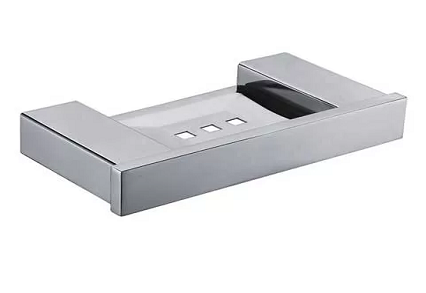
Premium Stainless Steel Casting Hardware for Architecture and Home Design
2025-10-09 -
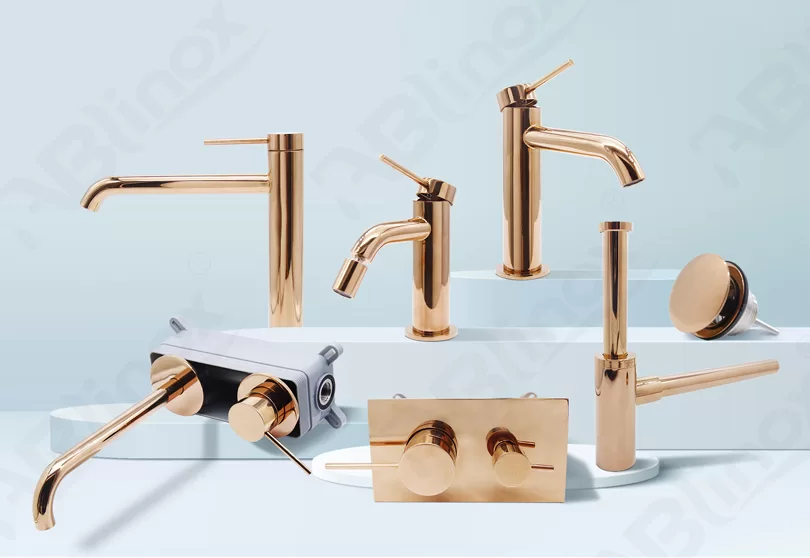
High-Quality Stainless Steel Railing and Marine Accessories for Modern Applications
2025-10-09 -
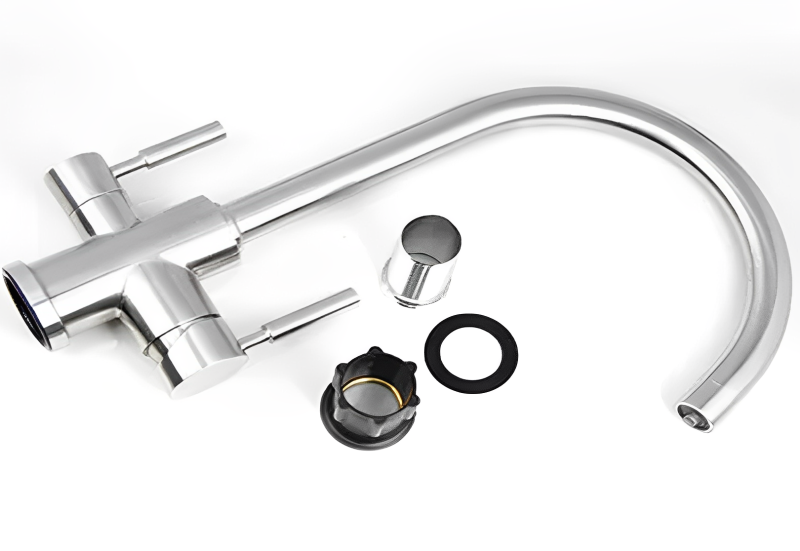
Precision Stainless Steel Casting and Marine Hardware Manufacturer
2025-10-09 -
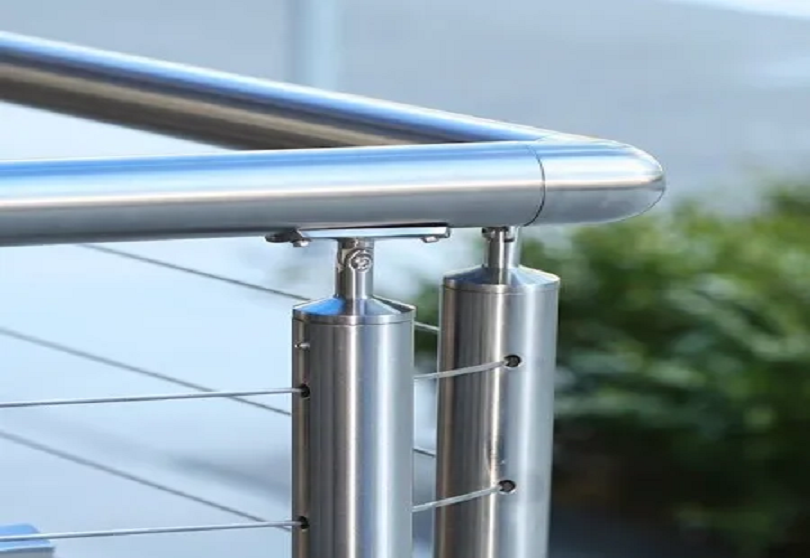
Precision Stainless Steel Casting and Hardware Solutions for Modern Living
2025-10-09 -
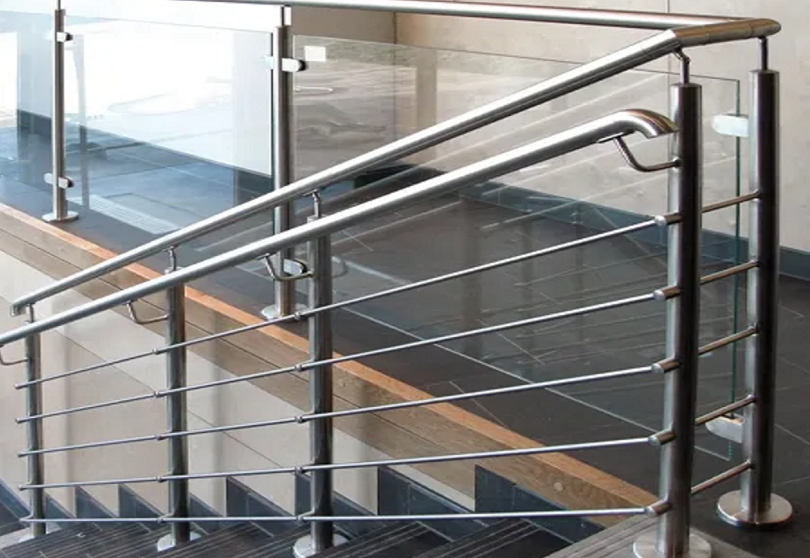
Premium Stainless Steel Railing and Marine Accessories for Lasting Performance
2025-10-09
