
Exploring Essential Marine Lifeline Hardware for Safe Sailing
Exploring Essential Marine Lifeline Hardware for Safe Sailing
Sailing enthusiasts and marine professionals understand the critical importance of reliable lifeline hardware when out on the open sea. Whether you are cruising, racing, or simply enjoying the water, having the right equipment can make all the difference in ensuring safety and peace of mind.
One of the key components of any sailboat or yacht, lifelines are designed to prevent falls overboard and provide a sense of security for those on deck. In this blog post, we will delve into the world of marine lifeline hardware, exploring the different types, materials, and key factors to consider when choosing the right lifelines for your vessel.
The Importance of Quality Lifeline Hardware
When it comes to marine safety, every detail counts. Lifeline hardware serves as a vital line of defense against accidents and emergencies on the water. Whether navigating through rough seas or simply enjoying a leisurely cruise, having sturdy lifelines in place can significantly reduce the risk of falling overboard.
From sturdy stanchions to durable wire ropes, each component plays a crucial role in maintaining the integrity of the lifeline system. It is essential to invest in high-quality hardware that can withstand the harsh marine environment and provide reliable protection when you need it most.
Types of Lifeline Hardware
When outfitting your vessel with lifelines, you have several options to choose from, each with its own set of advantages and considerations:
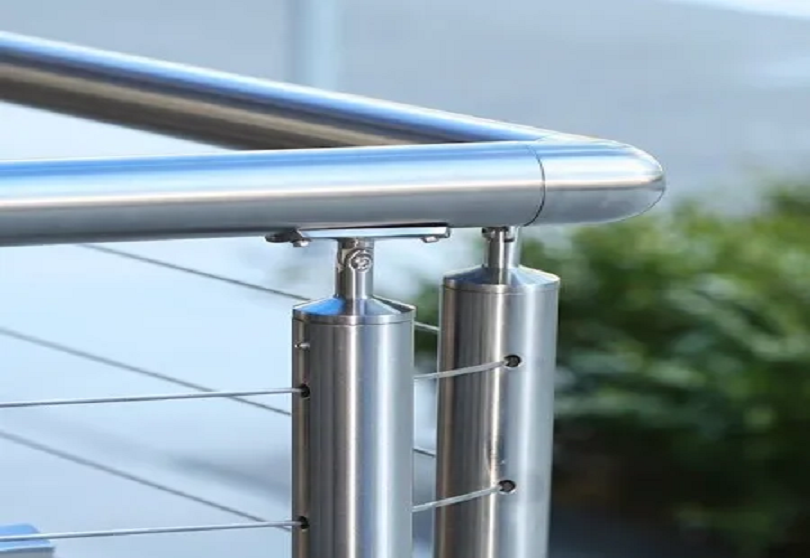
- Stainless Steel Wire: Known for its durability and strength, stainless steel wire lifelines are a popular choice among sailors. They offer excellent corrosion resistance and can be easily tensioned to ensure stability.
- Dyneema Rope: Lightweight and flexible, Dyneema lifelines are gaining popularity for their superior strength-to-weight ratio. While not as traditional as wire lifelines, Dyneema ropes offer excellent performance and ease of handling.
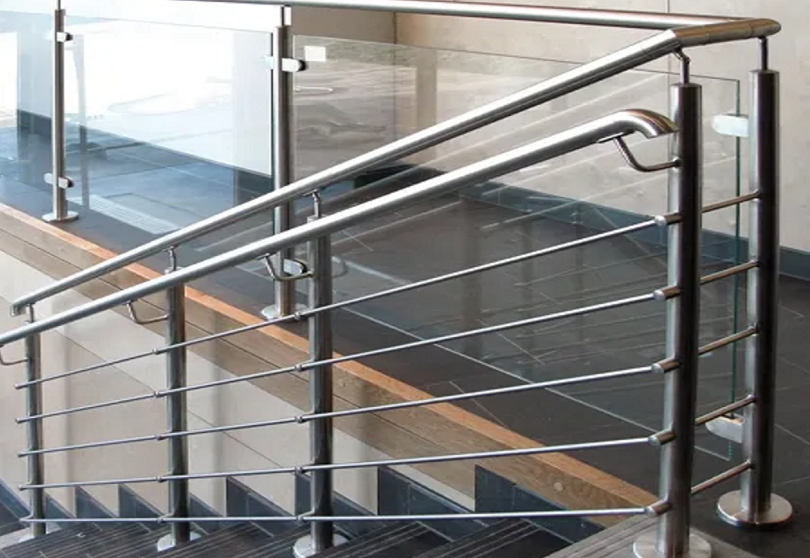
- Aluminum Tubing: Aluminum lifeline tubing provides a lightweight and corrosion-resistant alternative to traditional wire lifelines. While less robust than steel, aluminum tubing is easy to install and maintain.
Key Considerations for Choosing Lifeline Hardware
When selecting lifeline hardware for your vessel, there are several factors to keep in mind to ensure optimal safety and performance:
- Material Quality: Opt for marine-grade materials that are designed to withstand the harsh marine environment.
- Installation: Proper installation is crucial for the effectiveness of lifeline hardware. Ensure that all components are securely mounted and regularly inspected for wear and tear.
- Regulatory Compliance: Familiarize yourself with safety regulations and requirements for lifeline hardware to ensure compliance with industry standards.
- Maintenance: Regular maintenance and inspections are essential to keep lifelines in top condition and prevent accidents while at sea.
Conclusion
In conclusion, marine lifeline hardware plays a critical role in ensuring the safety and security of all onboard a vessel. By understanding the different types of lifelines available, considering key factors in hardware selection, and investing in quality materials, you can enhance the safety of your sailing experience and enjoy peace of mind while out on the water.
Remember, when it comes to marine safety, there is no room for compromise. Choose your lifeline hardware wisely and sail with confidence knowing that you are well-equipped for whatever the sea may bring.
-

Exploring the Art of Precision Casting
2025-03-20 -

Premium Stainless Steel Hinges for Durable Glass Shower Enclosures
2025-03-14 -

Stainless Steel Tactile Products: Durable Solutions for Barrier-Free Environments
2025-03-12 -

Celebrating Women’s Day: Special Care for Our Female Employees
2025-03-08 -

From Design to Finished Product: The Complete Guide to Stainless Steel Precision Casting
2025-02-26 -
Guides To Buy Stainless Steel Sanitary Ware
2024-01-16 -
How Do We Customize SS 304 Faucets for You?
2023-10-17 -

One of the Casting Steps, Pouring
2023-07-24 -

Training for Business Expansion
2022-07-02 -
Internal Business Sharing Meeting
2022-06-20


-
Premium Stainless Steel Handrail Fittings from a Trusted SS Casting Manufacturer
2025-10-29 -
Premium Stainless Steel Balustrade Accessories and Boat Hardware for Lasting Performance
2025-10-29 -
High-Performance Stainless Steel Hardware for Marine and Architectural Applications
2025-10-29 -

High-Quality Stainless Marine Hardware and Balustrade Accessories
2025-10-23 -
High-Quality Stainless Steel Marine Hardware and Casting Solutions
2025-10-23 -
Premium Stainless Steel Casting Hardware for Architecture and Home Design
2025-10-09 -
High-Quality Stainless Steel Railing and Marine Accessories for Modern Applications
2025-10-09 -

Precision Stainless Steel Casting and Marine Hardware Manufacturer
2025-10-09 -
Precision Stainless Steel Casting and Hardware Solutions for Modern Living
2025-10-09 -
Premium Stainless Steel Railing and Marine Accessories for Lasting Performance
2025-10-09