

Mastering Precision: A Guide to Stainless Steel Machining
The Art of Stainless Steel Machining
Stainless steel machining is a critical process that demands precision and expertise. When it comes to working with stainless steel, there are various techniques and considerations that machinists need to be aware of. From selecting the right tools to understanding the best practices, mastering stainless steel machining can elevate the quality of your finished products.
One of the key aspects of stainless steel machining is tool selection. Cutting tools used for machining stainless steel must be harder than the material itself to ensure a clean cut. Carbide tools are often favored for their durability and resistance to wear when working with stainless steel.
Furthermore, the machining process itself requires careful attention to detail. Stainless steel has a tendency to work-harden, leading to increased tool wear if not managed properly. Machinists must adjust cutting speeds and feeds to maintain optimal performance and prolong tool life.
Best Practices for Stainless Steel Machining
Here are some best practices to consider when machining stainless steel:
- Use proper coolant or lubricant to prevent overheating and prolong tool life.
- Optimize cutting parameters for the specific grade of stainless steel being machined.
- Secure workpieces effectively to minimize vibration and ensure accuracy.
- Inspect tools regularly for signs of wear and replace them as needed to maintain quality.
Challenges and Solutions
While stainless steel machining offers numerous benefits, there are also challenges that machinists may encounter. One common issue is the tendency of stainless steel to work harden, especially during processes such as drilling or tapping. To overcome this challenge, machinists can implement strategies such as peck drilling or using specialized tool coatings.
Another challenge is the formation of built-up edge (BUE), which can negatively impact surface finish and tool life. To address this issue, selecting the right cutting parameters and utilizing proper chip control methods can help prevent BUE formation.
Conclusion
Mastering stainless steel machining requires a combination of skill, knowledge, and attention to detail. By following best practices, understanding the challenges, and implementing effective solutions, machinists can achieve precision and quality in their stainless steel components. Continuous learning and adaptation to new technologies and techniques will further enhance proficiency in stainless steel machining.
-

Exploring the Art of Precision Casting
2025-03-20 -

Premium Stainless Steel Hinges for Durable Glass Shower Enclosures
2025-03-14 -

Stainless Steel Tactile Products: Durable Solutions for Barrier-Free Environments
2025-03-12 -

Celebrating Women’s Day: Special Care for Our Female Employees
2025-03-08 -

From Design to Finished Product: The Complete Guide to Stainless Steel Precision Casting
2025-02-26 -

Guides To Buy Stainless Steel Sanitary Ware
2024-01-16 -

How Do We Customize SS 304 Faucets for You?
2023-10-17 -

One of the Casting Steps, Pouring
2023-07-24 -

Training for Business Expansion
2022-07-02 -

Internal Business Sharing Meeting
2022-06-20
-

Premium Stainless Steel Handrail Fittings from a Trusted SS Casting Manufacturer
2025-10-29 -
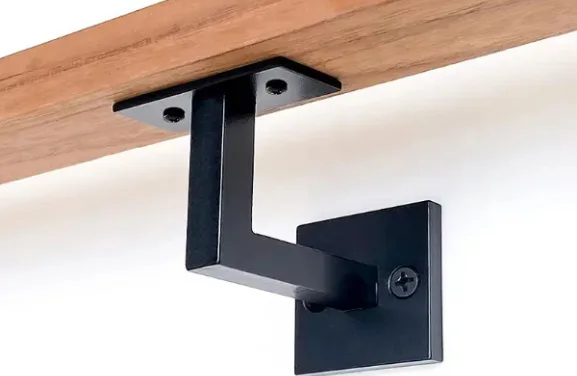
Premium Stainless Steel Balustrade Accessories and Boat Hardware for Lasting Performance
2025-10-29 -
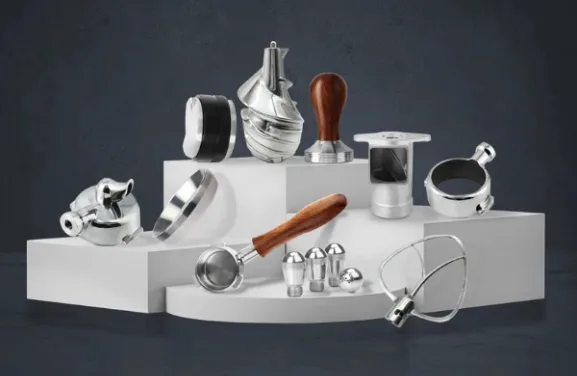
High-Performance Stainless Steel Hardware for Marine and Architectural Applications
2025-10-29 -
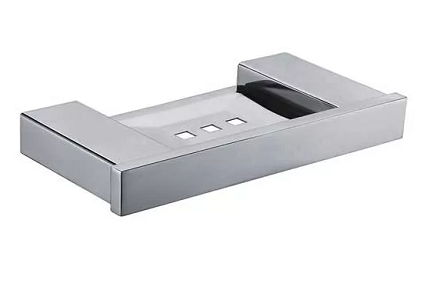
High-Quality Stainless Marine Hardware and Balustrade Accessories
2025-10-23 -

High-Quality Stainless Steel Marine Hardware and Casting Solutions
2025-10-23 -
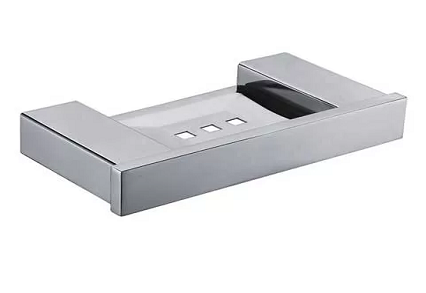
Premium Stainless Steel Casting Hardware for Architecture and Home Design
2025-10-09 -
High-Quality Stainless Steel Railing and Marine Accessories for Modern Applications
2025-10-09 -
Precision Stainless Steel Casting and Marine Hardware Manufacturer
2025-10-09 -

Precision Stainless Steel Casting and Hardware Solutions for Modern Living
2025-10-09 -

Premium Stainless Steel Railing and Marine Accessories for Lasting Performance
2025-10-09
