

Exploring Stainless Steel Machining Grades: A Comprehensive Guide
Exploring Stainless Steel Machining Grades: A Comprehensive Guide
Stainless steel is a widely used material in various industries due to its exceptional properties. When it comes to machining stainless steel, selecting the right grade is crucial to achieving optimal results. In this article, we will delve into the world of stainless steel machining grades to provide a comprehensive guide for machinists and engineers.
The Importance of Choosing the Right Grade
Stainless steel comes in different grades, each designed for specific applications. The choice of grade significantly impacts the machinability, corrosion resistance, and mechanical properties of the final product. By understanding the characteristics of different stainless steel grades, you can make informed decisions to enhance machining efficiency and product performance.
Common Stainless Steel Machining Grades
1. Grade 303: Known for its excellent machinability, Grade 303 is often used for applications that require extensive machining operations. It offers good corrosion resistance but may not be suitable for welding applications.
2. Grade 304: This versatile grade is the most commonly used stainless steel for machining. It provides good corrosion resistance, weldability, and formability, making it ideal for a wide range of applications.
3. Grade 316: With added molybdenum, Grade 316 offers enhanced corrosion resistance, especially in harsh environments. While it is slightly more challenging to machine compared to Grade 304, it provides superior chemical resistance.
Factors Affecting Machinability
Several factors influence the machinability of stainless steel, including cutting speed, feed rate, tool geometry, and cooling methods. Understanding how these variables interact with different stainless steel grades can help optimize machining processes and improve overall productivity.
Enhancing Machining Efficiency
To enhance machining efficiency when working with stainless steel, consider the following tips:
- Use high-quality cutting tools designed for stainless steel machining.
- Maintain consistent cutting parameters to avoid tool wear and workpiece deformation.
- Implement effective cooling strategies to prevent work hardening and extend tool life.
- Opt for the appropriate grade based on the specific machining requirements of your project.
Choosing the Right Stainless Steel Grade
When selecting a stainless steel grade for machining, consider factors such as machinability, corrosion resistance, mechanical properties, and cost-effectiveness. Consulting with material experts and conducting thorough testing can help you identify the most suitable grade for your application.
As you navigate the world of stainless steel machining grades, remember that each grade offers unique advantages and challenges. By staying informed and adapting your machining techniques accordingly, you can achieve optimal results and produce high-quality components for various industries.
-

Exploring the Art of Precision Casting
2025-03-20 -

Premium Stainless Steel Hinges for Durable Glass Shower Enclosures
2025-03-14 -

Stainless Steel Tactile Products: Durable Solutions for Barrier-Free Environments
2025-03-12 -

Celebrating Women’s Day: Special Care for Our Female Employees
2025-03-08 -

From Design to Finished Product: The Complete Guide to Stainless Steel Precision Casting
2025-02-26 -

Guides To Buy Stainless Steel Sanitary Ware
2024-01-16 -

How Do We Customize SS 304 Faucets for You?
2023-10-17 -

One of the Casting Steps, Pouring
2023-07-24 -

Training for Business Expansion
2022-07-02 -

Internal Business Sharing Meeting
2022-06-20
-
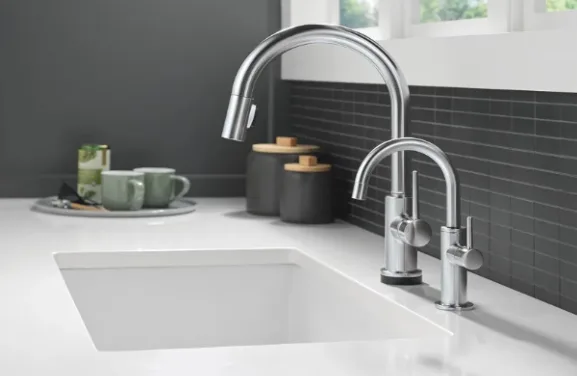
Premium Stainless Steel Handrail Fittings from a Trusted SS Casting Manufacturer
2025-10-29 -
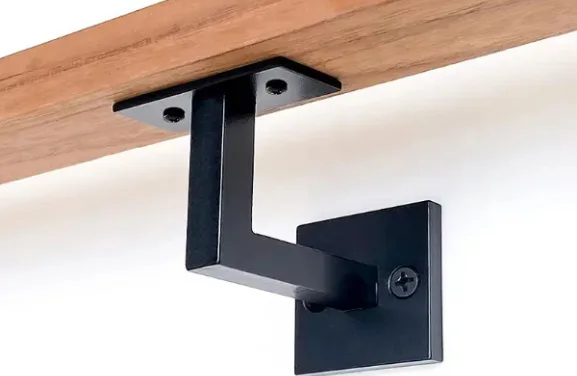
Premium Stainless Steel Balustrade Accessories and Boat Hardware for Lasting Performance
2025-10-29 -
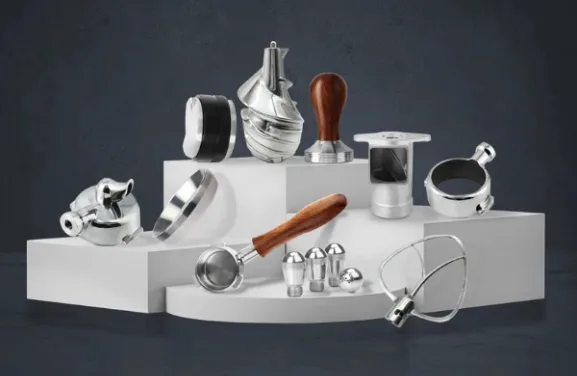
High-Performance Stainless Steel Hardware for Marine and Architectural Applications
2025-10-29 -
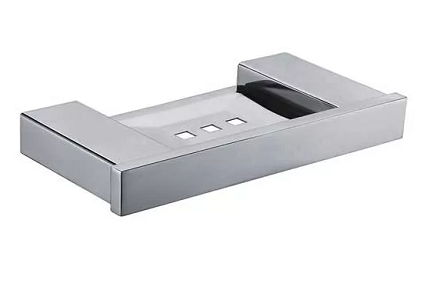
High-Quality Stainless Marine Hardware and Balustrade Accessories
2025-10-23 -

High-Quality Stainless Steel Marine Hardware and Casting Solutions
2025-10-23 -
Premium Stainless Steel Casting Hardware for Architecture and Home Design
2025-10-09 -
High-Quality Stainless Steel Railing and Marine Accessories for Modern Applications
2025-10-09 -
Precision Stainless Steel Casting and Marine Hardware Manufacturer
2025-10-09 -
Precision Stainless Steel Casting and Hardware Solutions for Modern Living
2025-10-09 -
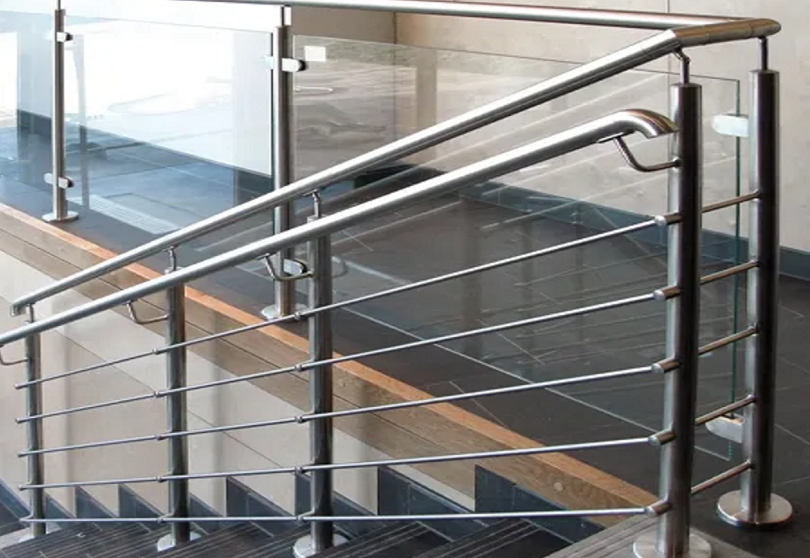
Premium Stainless Steel Railing and Marine Accessories for Lasting Performance
2025-10-09
